
Clarifying Some of the Rules for IRS Form 1099-B
Bullion, such as gold, silver, platinum and palladium, is readily liquid and can easily be sold to coin or bullion dealers, jewelers or pawn shops, whether in person or online. It is relatively easy to sell these items and to obtain a fair price once you determine the amount and purity of the precious metals you are selling and the current Spot prices (what a precious metal is worth right now or “on the spot”) for the actual metals you own. I recommend that you compare buying prices from a variety of different trusted dealers or sources. That’s the easy part.
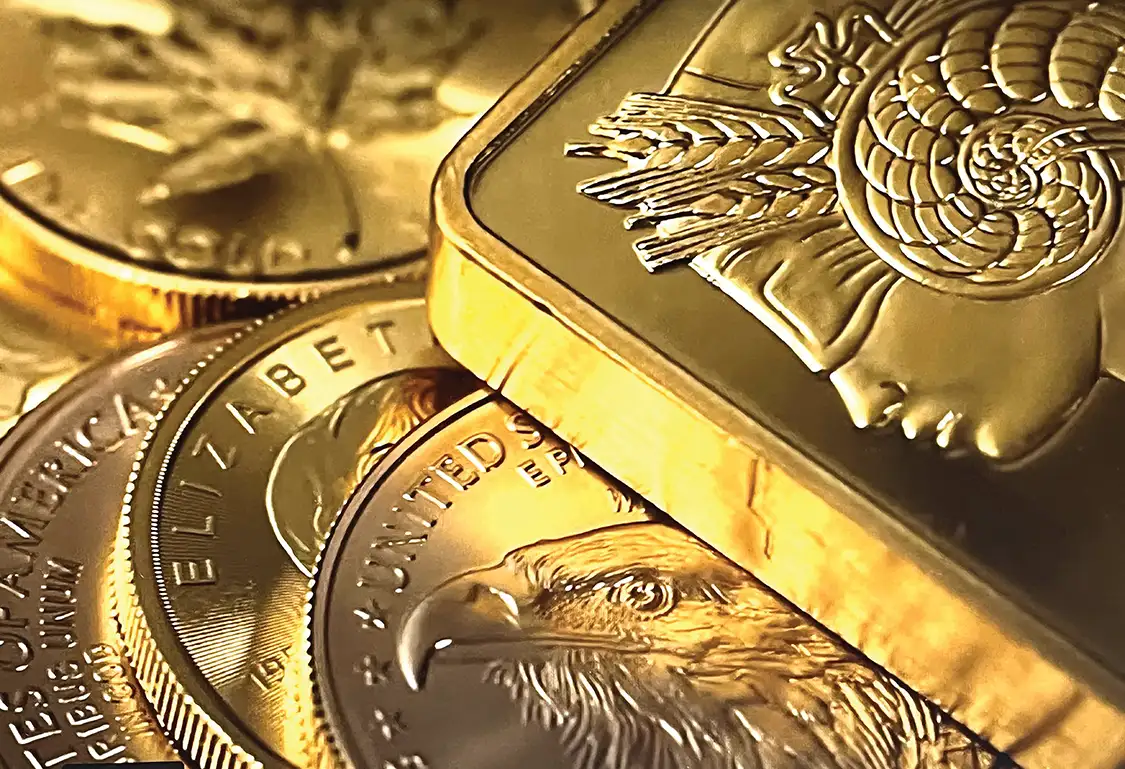
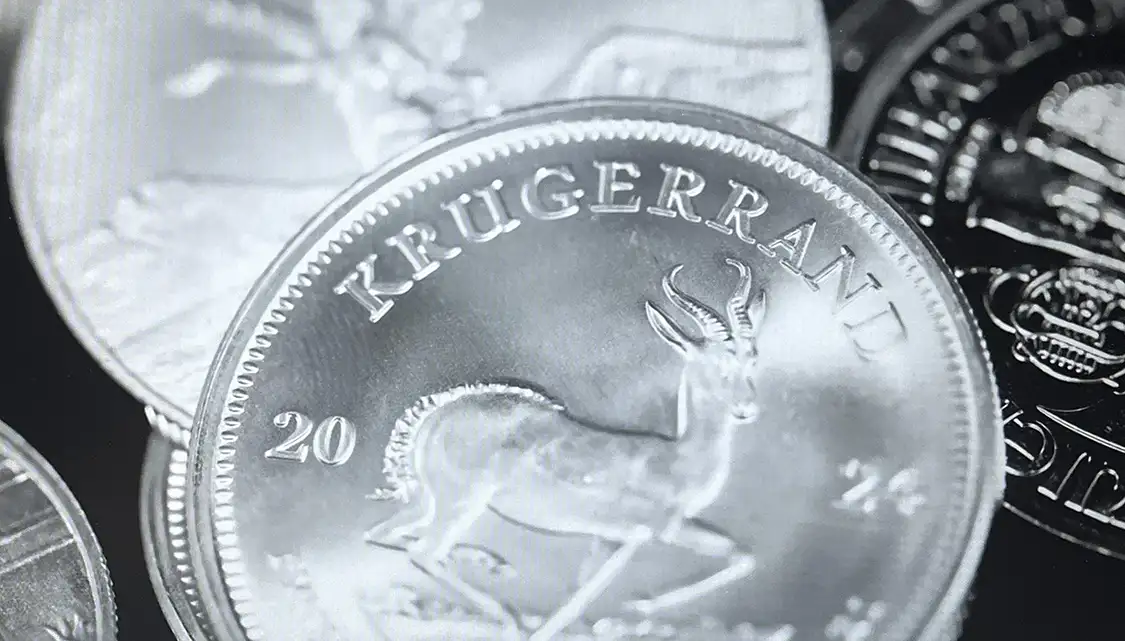
If your holdings include fairly common bullion items such as one or more bags of 90% silver pre-1965 U.S. dimes, quarters or half dollars, multiples of South African gold Krugerrands, Canadian gold or silver Maple Leaf coins, or any other worldwide bullion coinage, you would need to negotiate the price for those items.
Likely, at any time during the past three decades, the purchasing dealer would look at the “Items to Be Reported List” to verify whether any of your items were on that list. This list was what virtually every precious metals dealer in the United States used to determine whether or not he had to issue to the seller and to the Internal Revenue Service a copy of IRS Form 1099-B, “Proceeds from Broker and Barter Exchange Transactions.” This list has been used by coin and bullion dealers as well as collectors and investors since the inception of Revenue Procedure 92-103, more than 30 years ago.
David Crenshaw of the National Coin and Bullion Association (NCBA) advised us that the list often misidentified as “IRS Items To Be Reported” is incorrectly named. It was never an official IRS list. The correct title is the “Items To Be Reported” list and it was historically developed by the Industry Council for Tangible Assets (ICTA), now doing business as the National Coin & Bullion Association (NCBA). This proprietary list was the result of ICTA/NCBA’s past negotiations with the IRS, aimed at achieving a fair, reasonable and consistent minimum threshold for broker reporting under the guidance of Revenue Procedure 92-103.
The list was intended solely for use by ICTA/NCBA dealer-members and served as an industry reference—not a formal IRS directive. While it reflected ICTA/NCBA’s understanding of the spirit of its discussions with the IRS at the time, it was never officially adopted by the IRS.
Today, this list is no longer applicable under current regulatory frameworks and should be viewed as a historical reference rather than current guidance.
Gold South African Krugerrands, gold Canadian Maple Leaves, gold Mexican Onzas and United States 90% silver coins are no longer subject to IRS Form 1099-B reporting. However, if you profited from the sale, you still have to report the gain and pay the tax. Consult your financial advisor or tax professional.
In past years, if your items were on this list, they would be reportable on 1099-B and the buying dealer would file a 1099-B with the Internal Revenue Service and provide you with a copy. If your items were not on this list or not present in the stated quantities, no Form 1099-B would be issued to the seller or filed with the Internal Revenue Service.
In the COINage Confidential column in the June-July 2025 issue of COINage magazine, the Executive Director of the National Coin and Bullion Association (NCBA), David Crenshaw, discussed the change to the instructions for Form 1099-B.
Crenshaw stated: “Currently, 1099-B reporting guidance on a number of major precious metals dealers’ websites contains outdated information, including overreporting of items that are no longer reportable.” NCBA is offering a free collector membership: https://www.ncbassoc.org/concerned-collectors-coalition.
You might think that such important information would have been immediately adopted by the marketplace and it would become common knowledge, but that hasn’t happened.
I do not know when any items may have been added, deleted or changed from the original requirements or whether the original reportable items list was correct at the time of creation, but I do know that it was very widely used and accepted.
The result was clarification that the only items that were required to be reported to the IRS by the purchasing dealer were those that constituted a futures contract on the Chicago Mercantile Exchange. Regulated futures contracts for precious metals are tied to specific precious metals bar forms from approved brands with stringent purity standards. Bullion coins and 90% silver bags aren’t deliverable under those futures contracts anymore, which means they shouldn’t be reportable on a 1099-B.
Dealers have apparently been slow to change the Reported Items Lists on their websites. I checked the websites of more than 15 leading bullion dealers and none of them displayed an updated version of the Form 1099-B Reportable Items List.
So, you need to be your own best advocate. If your bullion dealer says the items you are selling need to be reported on a 1099-B, make certain he is using the most accurate information.